Role Of A Strategic Management In Everyday Life
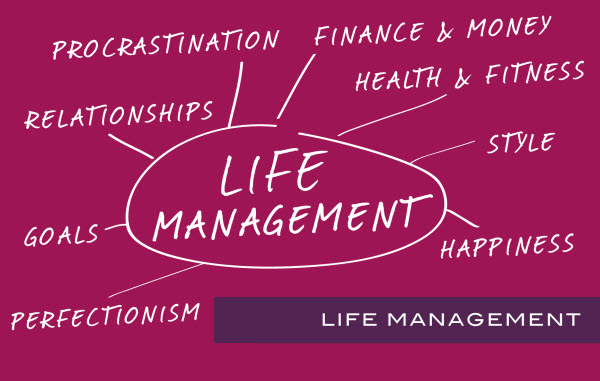
Introduction
Strategic management is an essential component of any business as it helps organizations to effectively develop and manage their strategies in order to achieve their desired goals and objectives. It is a continuous process of strategic analysis, strategy formulation, strategy implementation, and strategy evaluation. Strategic management helps organizations identify their strengths and weaknesses and make decisions to improve their competitive position in the market.
Strategic management is one of the main courses being studied in the field of business management. Students get strategic management dissertation topics from their professors to write. These tasks are assigned for learning purposes and hold a huge part of the grades.
Many students find these tasks very challenging due to a lack of skills required to write the best one. Therefore, they seek professional assignment help from professionals so that can achieve good grades. Not only with strategic management, but these writers also help students with change management dissertation topics, business management dissertation topics, and other topics in which students feel difficulty.
Overview Of Strategic Management
Strategic management involves the formulation and implementation of plans to achieve the long-term objectives of an organization. It is a process of analyzing the external environment, identifying the internal capabilities of the organization, and developing strategies to exploit the opportunities and mitigate the threats.
It involves systematic and careful analysis of the external and internal environments and making decisions in light of the available information. It requires the formulation and implementation of strategies that are in line with the organizational objectives, capabilities, and resources.
Strategic Management Process
The strategic management process is composed of four primary steps:
Strategic Analysis
This involves the analysis of the external environment to identify opportunities and threats, as well as the internal environment to identify the organization's capabilities, strengths, and weaknesses. This helps organizations identify the areas where they can improve and focus their efforts.
Strategy Formulation
This involves the development of strategies to exploit the opportunities identified in the external environment and mitigate the threats. It also involves the selection of a set of strategies that are feasible and consistent with the organization's resources, capabilities, and objectives.
Strategy Implementation
This involves the implementation of the strategies developed in the previous step. It requires the organization to allocate resources, set goals and objectives, and create systems and processes to effectively implement the strategies.
Strategy Evaluation
This involves the evaluation of the implemented strategies to determine whether they are meeting the desired objectives. It is an ongoing process to ensure that the strategies are still relevant and effective.
Role of strategic management in everyday life
Strategic management plays a key role in our everyday lives, whether we realize it or not. Strategic management involves making decisions and taking action to achieve desired objectives. It is the process of formulating, implementing, and evaluating decisions and actions in order to achieve an organization’s goals.
Strategic management is used to create and maintain a competitive advantage for an organization. It is important for people to understand the role of strategic management in everyday life to maximize their efficiency and effectiveness.
Develop and implement plans and strategies for businesses, organizations, and individuals
Strategic management is used to develop and implement plans and strategies for businesses, organizations, and individuals. For example, companies use strategic management to develop long-term plans and strategies to increase revenues and profits, reduce costs, and improve customer satisfaction. Individuals can use strategic management to develop plans and strategies to reach their personal and professional goals.
Helps organizations and people identify their strengths and weaknesses and develop strategies
The importance of strategic management in everyday life cannot be overstated. Strategic management helps organizations and people identify their strengths and weaknesses and develop strategies to capitalize on their strengths and address their weaknesses. It helps organizations and people make decisions and take action to achieve their goals. Strategic management also helps organizations and people stay on track and make course corrections if needed.
Helps organizations and people anticipate future trends and capitalize on opportunities
In addition, strategic management helps organizations and people anticipate future trends and capitalize on opportunities. It helps organizations and people create and maintain a competitive advantage. Finally, strategic management helps organizations and people stay ahead of the competition and make sure they are not left behind.
Conclusion
Strategic management is a continuous process of analysis, formulation, implementation, and evaluation of strategies to achieve an organization's long-term objectives. It involves careful analysis of the internal and external environments, formulation of strategies, and implementation and evaluation of these strategies. It is an essential component for any organization to succeed in today's competitive business landscape.
Strategic management plays a major role in everyday life. It helps organizations and people make decisions and take action to reach their goals. It also helps organizations and people anticipate future trends and create and maintain a competitive advantage. Therefore, it is essential for everyone to understand the role of strategic management in their everyday lives in order to maximize their efficiency and effectiveness.


Comments
Post a Comment